Gikas Roofers In Essex County: Trusted Roofing Solutions For Older Homes, Tough Weather, And Complex Rooflines
In Essex County, roofing problems rarely come in neat, predictable packages. One property has a 100-year-old slate roof with tired flashing around a chimney. Another has a steep asphalt shingle system taking the full force of winter wind and summer storms. A third is a mixed-use commercial building where even a small leak can disrupt tenants, inventory, or daily operations. That’s the reality of roofing in Northern New Jersey, and it’s exactly why local experience matters.
Learn more: Gikas Roofing New Jersey
At Gikas Roofers, we’ve seen how older construction, layered renovations, and demanding weather patterns can turn a “simple roof job” into something much more technical. Homes in Essex County often have dormers, valleys, masonry features, uneven decking, or ventilation issues hidden beneath the surface. Commercial properties bring a different set of challenges: drainage, access, staging, safety, and keeping business moving while work gets done.
That’s why our approach starts well before the first shingle is removed. We focus on detailed roof inspections, clear project planning, tailored recommendations, and workmanship you can actually understand in writing. Whether a property needs a targeted repair, a restoration strategy, or a full replacement, the goal is the same: durable roofing solutions that fit the building, the budget, and the conditions outside.
Here’s what property owners in Essex County should know when choosing a roofing partner in .
Why Essex County Properties Need A Roofing Partner Who Understands Local Conditions
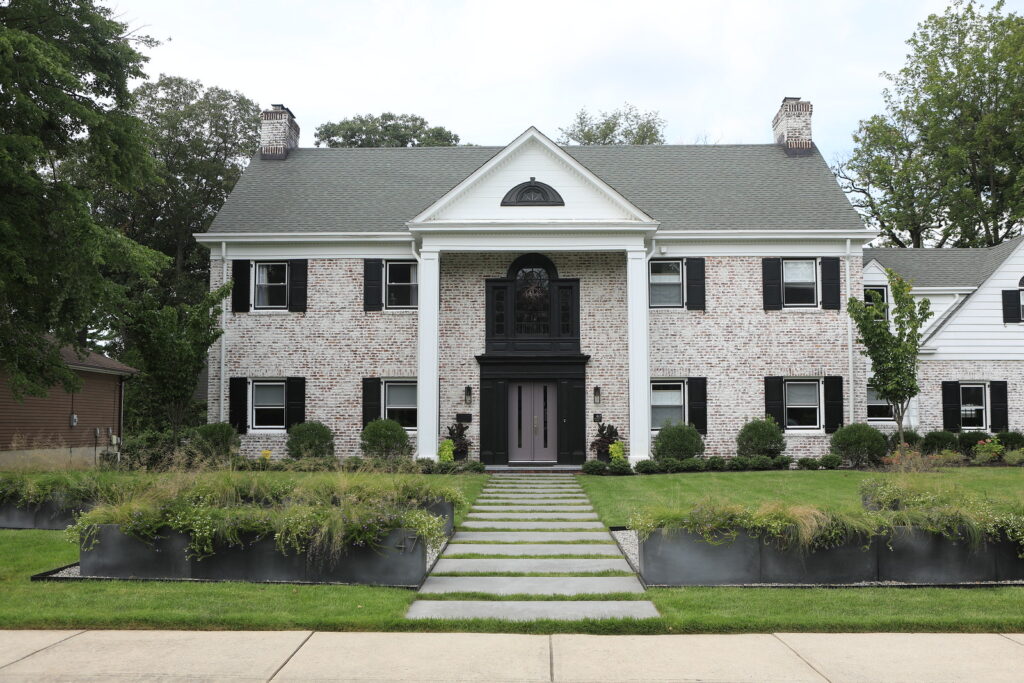
Essex County is not a one-size-fits-all roofing market. Newark, Montclair, Bloomfield, West Orange, Maplewood, Livingston, and surrounding communities include everything from historic homes to newer suburban builds to flat-roof commercial properties. Each responds differently to weather, age, and structural movement.
We plan roofing work around local realities. Winter freeze-thaw cycles can widen small openings around flashing and penetrations. Heavy rain tests drainage fast, especially on low-slope areas and older gutter systems. Summer heat can accelerate shingle wear, stress sealants, and expose ventilation weaknesses in attics. Wind is another big factor, particularly on elevated or exposed roof sections where uplift can loosen shingles, ridge components, or edge materials over time.
And then there’s the architecture. Essex County has plenty of character, which is great until that character shows up as intersecting roof planes, chimneys, skylights, dormers, and additions built decades apart. Those transitions are often where leaks begin.
A roofing partner who understands local conditions doesn’t just install materials. We evaluate how the building has performed over the years, how it sheds water now, and what details need to change to improve long-term durability. That local knowledge helps us recommend roofing systems, staging plans, and repair scopes that make sense for Northern New Jersey, not just for a generic brochure.
How Older Homes, Steep Pitches, And Complex Rooflines Change The Roofing Approach
Older homes across Essex County often look solid from the street. Up close, the roof tells a more complicated story. Layers of past repairs, aging underlayment, inconsistent decking, outdated ventilation, and flashing that’s been patched more than once can all affect what happens next.
We don’t approach these roofs the way we’d approach a straightforward ranch with clean lines. On older properties, we expect surprises, and that’s a good thing, because it means we inspect carefully and plan honestly. A steep-pitch roof, for example, affects safety setup, material handling, labor sequencing, and installation methods. It also changes how we protect landscaping, walkways, and entry points below.
Read more: COMMERCIAL ROOFING
Complex rooflines require even more attention. Valleys concentrate water. Dormers add interruption points. Chimneys and masonry walls create flashing transitions that have to be done right or they’ll fail early. Add a few architectural additions from different decades, and the roof may contain multiple substrate conditions at once.
That’s where experience really shows. We match the roofing approach to the structure, not the other way around. Sometimes that means targeted repair. Sometimes it means replacing broader sections to solve hidden system issues instead of chasing recurring leaks. Either way, the work has to respect both the home’s design and the practical demands of modern weather exposure.
What A Thorough Pre-Project Roof Inspection Should Include
A real pre-project roof inspection should do more than confirm that a roof is “old” or “leaking.” It should explain why the problem is happening, how widespread it is, and what supporting components are contributing to it.
We begin with the visible roofing materials, shingles, membranes, tiles, or other surface components, looking for wear patterns, missing sections, granule loss, cracking, punctures, exposed fasteners, and signs of wind damage. But the inspection shouldn’t stop there. Flashing around chimneys, vent pipes, skylights, valleys, wall intersections, and roof edges often reveals the root cause of water entry.
We also assess drainage. Are gutters carrying water away properly? Are downspouts positioned effectively? Is low-slope ponding creating long-term stress? On homes, attic ventilation and insulation conditions matter more than many owners realize. Poor airflow can shorten roof life, contribute to moisture buildup, and create uneven temperature conditions that make damage worse season after season.
On older or more complex properties, we also look for sagging areas, deck movement, prior patchwork, and signs that previous roofing layers may be masking structural concerns. For commercial buildings, we review access points, penetrations, rooftop equipment interactions, and the likely impact of the work on operations.
A thorough inspection leads to a more accurate project scope. And frankly, it helps prevent that frustrating cycle where one quick fix turns into three more service calls later.
Signs Your Roof May Need Repair, Restoration, Or Full Replacement
Not every roofing issue points to a full replacement. But not every leak should be patched, either. The right next step depends on age, material condition, how widespread the damage is, and whether the roof system is still fundamentally sound.
We help property owners separate cosmetic wear from functional failure. A roof may still have serviceable life left if damage is isolated and the surrounding system is stable. In other cases, repeated repairs are really just delaying the inevitable, and spending more money than necessary along the way.
Read more: East Rutherford Roofing Guide
Restoration can make sense when the roof structure is still in decent shape but certain weathered components need reinforcement, sealing, or partial rebuilding. Replacement becomes the better path when deterioration is extensive, leaks are recurring in multiple areas, decking issues are emerging, or the roof no longer performs reliably under normal weather conditions.
The key is not guessing based on age alone. Two roofs installed in the same year can be in very different condition depending on ventilation, storm exposure, drainage, maintenance history, and installation quality. That’s why the inspection matters so much before making a repair-versus-replacement decision.
Common Warning Signs Homeowners Should Not Ignore
Homeowners usually notice roofing trouble indirectly at first. Maybe it’s a ceiling stain in an upstairs bedroom, peeling paint near the trim, or a musty attic smell after heavy rain. Those signs matter. By the time water shows up indoors, the problem has often been developing longer than expected.
Other red flags include curling or missing shingles, visible sagging, granules collecting in gutters, damaged flashing, mold near attic framing, and higher indoor humidity that seems hard to explain. Ice dam history can also point to ventilation and insulation issues that are accelerating roof wear.
Outside, we encourage homeowners to pay attention after storms. Fallen branches, lifted shingles, dented metal components, and debris buildup in valleys can all lead to water intrusion. Small openings around pipe boots or chimney flashing may look minor, but they’re common leak sources on older homes.
The biggest mistake? Waiting until a stain gets worse. Early intervention is usually cheaper, less disruptive, and more targeted.
When Commercial Roofing Problems Start Affecting Operations
Commercial roofing issues often show up as operational headaches before they look dramatic from the exterior. A small roof leak over office space can become a recurring maintenance ticket. Moisture around inventory storage can put materials at risk. Water near electrical pathways, ceiling systems, or HVAC penetrations creates a much bigger concern.
We often tell business owners to watch for subtle signs: unexplained odors, stained ceiling tiles, bubbling interior finishes, ponding water after rain, seam separation on membrane systems, and rising complaints from tenants or staff in specific parts of the building. If rooftop equipment servicing is frequent, those traffic patterns may also be contributing to damage.
Commercial properties require quick judgment because downtime costs money. Sometimes a strategic repair buys time for budgeting and planning. Sometimes the pattern of failures shows the system is beyond efficient patching. In either case, the goal is to diagnose the issue accurately and keep building operations protected while the right long-term decision gets made.
Read more: Edgewater Roofing Roofer
Roofing Services Available For Residential And Commercial Properties
A reliable roofing company should be able to meet a property where it is, not push every client toward the same solution. In Essex County, that means understanding the difference between a small repair on a traditional home, a restoration plan for an aging roof system, and a full replacement for a property that has reached the end of its practical service life.
At Gikas Roofing, we focus on comprehensive roofing solutions for both residential and commercial properties. That includes diagnosing leaks correctly, addressing storm-related damage, planning replacements with attention to architecture and access, and supporting the systems that make the roof perform as a whole.
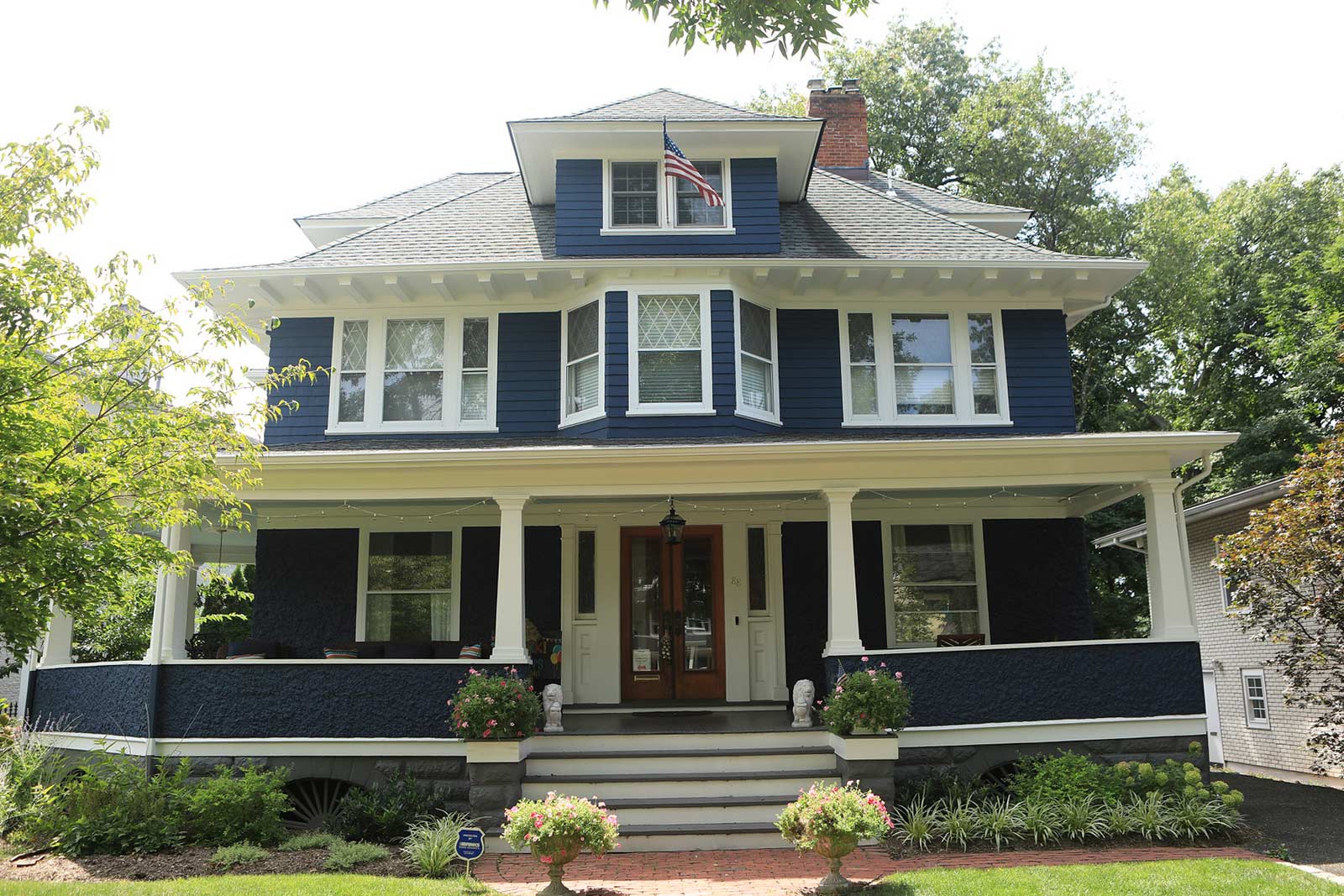
Property owners usually need more than installation labor. They need guidance on timing, staging, drainage, ventilation, material fit, and how to prioritize issues if the roof has multiple concerns at once. That’s especially true for older homes and mixed-use buildings where one weak detail can affect several connected areas.
Roof Replacement, Repair, And Maintenance Options
Roof repair makes sense when damage is localized and the surrounding roof remains structurally dependable. That may involve replacing damaged shingles, repairing flashing, sealing penetrations, correcting isolated leaks, or restoring sections affected by wind or debris.
Roof replacement is more appropriate when the system is aging broadly, leaks are recurring, or previous repairs have created a patchwork roof with diminishing reliability. A well-planned replacement gives us the chance to improve underlayment, flashing details, ventilation strategy, and edge protection, not just the visible outer layer.
Maintenance is the overlooked middle ground. Periodic inspections, minor corrections, debris removal, drainage checks, and early sealing work can extend roof life and reduce emergency issues. For commercial properties in particular, routine maintenance often catches problems before they spread across larger sections of the building envelope.
Flashing, Gutters, Ventilation, And Other Supporting Systems
A roof can fail even when the main material still looks decent if supporting systems are neglected. Flashing is a prime example. Poorly installed or aging flashing around chimneys, valleys, walls, and penetrations is one of the most common causes of leaks in both homes and commercial buildings.
Gutters and downspouts also matter more than people think. When water backs up, spills near foundations, or dumps repeatedly onto lower roof sections, damage tends to multiply. On complex homes, even a slight drainage miscalculation can create staining, fascia deterioration, or winter icing issues.
Ventilation is another major factor. Balanced airflow helps regulate attic temperature and moisture, supporting longer roof life and more stable year-round performance. Without it, heat and condensation can quietly shorten the life of the roof from the inside out.
Read more: Englewood Roofing Roofer
That’s why we treat the roof as a system. Surface materials, flashing, drainage, ventilation, and edge details all need to work together.
How Flexible Project Staging Helps Protect Daily Life And Business Activity
Roofing work is disruptive by nature. The question is how well that disruption is managed. For homeowners, that may mean protecting driveways, landscaping, entrances, and the simple ability to get kids out the door in the morning without stepping into a jobsite. For commercial properties, the stakes are even higher: customer access, employee safety, loading areas, tenant coordination, and noise timing all matter.
Flexible project staging makes a real difference. We plan the work in phases when needed so the property can keep functioning as normally as possible. On residential projects, that can involve sequencing tear-off and installation by roof section, carefully coordinating material delivery, and maintaining clear pathways around the home. On commercial projects, staging often includes restricted work zones, scheduled access windows, safety barriers, and communication with ownership or management teams.
This matters especially on properties with difficult access or complex rooflines. You can’t improvise staging on a steep roof over mature landscaping or a business entrance with heavy foot traffic. Good staging reduces risk, protects the site, and keeps the project more predictable.
Honestly, people remember this part. They remember whether the crew respected the property, whether the schedule was communicated clearly, and whether life could continue during the project. That’s not a side issue. It’s part of professional roofing service.
What Written Workmanship Guarantees And Clear Project Planning Really Mean
A roofing proposal can sound reassuring without actually being clear. That’s why written workmanship guarantees and detailed project planning matter. Property owners deserve to know what work is being done, what materials are included, what conditions were identified during inspection, and how the contractor stands behind the installation.
We believe written clarity protects everyone. A workmanship guarantee should explain coverage in plain language, not vague promises. It should connect to the actual scope of work performed and reflect accountability for installation quality. That’s very different from casually saying the roof is “guaranteed” with no specifics behind it.
Clear project planning is just as important. Before work begins, property owners should understand the expected timeline, staging approach, cleanup process, major material choices, and any foreseeable variables, especially on older homes where hidden conditions may appear once tear-off begins. Commercial owners should also know how access, safety, and operational continuity will be handled.
Good planning doesn’t eliminate every surprise. Roofing is still construction. But it dramatically reduces confusion, budget drift, and preventable frustration. In our experience, the strongest projects are the ones where expectations are documented early and communication stays steady from inspection through final cleanup.
Read more: Fort Lee Roofing Roofer
How To Choose The Right Roofer In Northern New Jersey
Choosing a roofer in Northern New Jersey isn’t just about getting a few estimates and comparing the bottom line. Price matters, of course. But with older housing stock, storm exposure, and complex roof designs common across Essex County, the cheapest number can become the most expensive mistake.
We recommend starting with local experience. Ask whether the roofer regularly works on older homes, steep pitches, complex flashing details, and weather-exposed properties in this region. A contractor who mostly handles simple suburban roof replacements may not be the right fit for a century home with valleys, dormers, masonry transitions, and ventilation issues.
Next, look closely at the inspection process. Did they actually evaluate the roof system, or did they glance at the surface and jump to a sales pitch? A strong roofer explains findings clearly, identifies related components like gutters and flashing, and offers recommendations based on condition, not pressure.
Also ask practical questions:
- Is the scope of work written clearly?
- Are staging and property protection discussed?
- Is workmanship coverage documented?
- Will communication be direct throughout the project?
- Do they understand both residential and commercial roofing needs if your property is mixed-use or operationally sensitive?
Finally, trust the quality of the conversation. The right roofer sounds informed, measured, and specific. Not flashy. Not evasive. Just prepared. In a market like Northern New Jersey, that kind of competence goes a long way.
Conclusion
Roofing in Essex County demands more than basic installation skill. Between older homes, steep and complicated rooflines, heavy seasonal weather, and the day-to-day realities of occupied properties, the work has to be planned carefully and executed with real local understanding.
That’s the standard we aim for at Gikas Roofers. We believe strong roofing results start with thorough inspections, honest recommendations, flexible staging, and written workmanship commitments that mean something in practice, not just on paper. Whether the need is a focused repair, a restoration strategy, or a full replacement, the right solution should fit the building itself and the way the property is actually used.
If you own a home or commercial property in Essex County, the smartest first step is simple: get a detailed roof evaluation before a minor issue becomes a larger one. A good roof protects more than the structure underneath it. It protects your time, your routine, your investment, and a lot of future headaches.
Key Takeaways
- Gikas Roofers specializes in durable roofing solutions tailored to the unique and challenging roof conditions found across Essex County, including older homes and commercial buildings.
- A thorough pre-project roof inspection by Gikas Roofers assesses not just surface damage but flashing, drainage, ventilation, and structural concerns to determine the right repair or replacement strategy.
- Timely roof repair, restoration, or replacement decisions should be based on detailed inspections rather than roof age alone to prevent costly recurring issues.
- Supporting systems like flashing, gutters, and ventilation are critical to roof longevity and must be maintained alongside the main roofing materials.
- Flexible project staging by Gikas Roofers minimizes disruption to homeowners and businesses, protecting daily life and operations during roofing work.
- Choosing Gikas Roofers means working with a team experienced in local weather and architectural challenges, offering clear project plans, written workmanship guarantees, and ongoing communication.
Frequently Asked Questions About Gikas Roofers and Essex County Roofing
Why is local experience important when choosing Essex County roofers like Gikas Roofers?
Local experience matters because Essex County has diverse roofing challenges, from historic homes to commercial buildings, with complex rooflines and weather exposure. Gikas Roofers understand these specifics to provide durable, tailored roofing solutions for Northern New Jersey conditions.
What does a thorough roof inspection from Gikas Roofers include?
A thorough inspection checks surface materials, flashing, drainage, attic ventilation, and structural elements. Gikas Roofers assess wear, leaks, drainage issues, and hidden problems to create an accurate project scope, preventing recurring repairs and unexpected issues.
When should Essex County property owners consider roof repair versus full replacement?
Repair is suitable for localized damage when the roof is structurally sound. Full replacement is recommended for widespread deterioration, recurring leaks, or structural issues. Gikas Roofers base recommendations on inspection, not just roof age, ensuring the right, cost-effective solution.
How do Gikas Roofers handle complex roofs with steep pitches or multiple rooflines?
They adapt safety setups, material handling, and installation methods to the roof’s complexity. Attention to valleys, dormers, chimneys, and multiple substrate layers ensures proper flashing and waterproofing, respecting both architectural design and weather demands.
What makes Gikas Roofers’ project staging beneficial for homeowners and businesses?
They plan roofing work in flexible phases to minimize disruption, protect landscaping, maintain access, and keep daily life or operations running smoothly. This approach includes safety barriers, clear communication, and respect for property to reduce risk and inconvenience.
Why does proper ventilation and flashing maintenance matter for a roof’s longevity?
Balanced attic ventilation prevents heat and moisture buildup that can shorten roof life. Correct flashing installation around chimneys and valleys is crucial to prevent leaks. Gikas Roofers treat the roof as a system, ensuring all components work together for lasting durability.
Read More:
- artiria.gr
- Santorini Tours: How To Choose The Perfect Island Experience For Your Trip
- ANT1 FM: Το Μέλλον Ανήκει σε Μέσα Ενημέρωσης σαν το ant1fm.gr
- Digital PR και Online Reputation Management: Πώς Χτίζετε Φήμη και Backlinks σε Σύγχρονο Digital Marketing
- SEO Consultant Ελλάδα: Δείκτες ROI και Πραγματικά Επιχειρηματικά Οφέλη
- Κατασκευή Ιστοσελίδας για Κομμωτήριο: Πώς να Φτιάξετε Site που Φέρνει Νέες Πελάτισσες